
How Many Sheds Can You Have on a Property in Ontario?
Building a shed or multiple sheds is a popular way for Ontario homeowners to add storage space, workspace, or a backyard retreat. However, before starting your shed project, it’s vital to understand exactly how many sheds you can have on a property in Ontario. The answer depends on a range of local zoning laws, building codes, municipal rules, and practical considerations, not on a single straightforward provincial regulation.
It is essential to consult local authorities to comply with all local laws regarding shed placement, size, and permits. This will help you determine exactly how many sheds I can have on my property within your municipality’s limits.
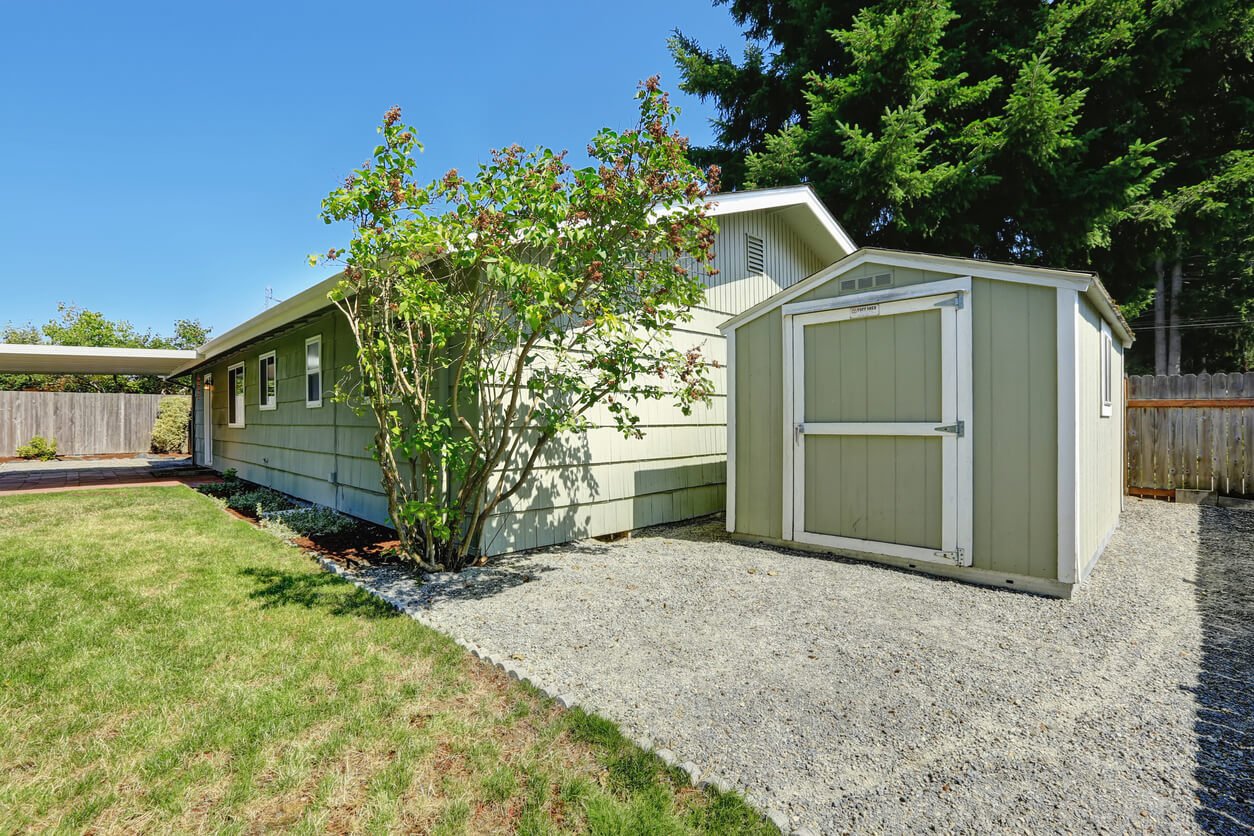
Who Regulates Sheds in Ontario?
Unlike some provinces or states, Ontario does not impose a province-wide limit on the number of sheds allowed per property. Instead, local municipalities, zoning departments, and occasionally homeowner associations set the rules regarding shed quantity and placement. It is crucial to check with your local building department or planning office to understand the specific regulations that apply to your area, as failure to comply may result in fines or removal of sheds.
Key Factors Determining Sheds Allowed
Total Square Footage Limitations
In most Ontario municipalities, there’s no explicit numerical cap on how many sheds you are allowed. Instead, they focus on the total square footage, which is the combined footprint of all accessory structures, including storage sheds, backyard sheds, garages, and other outbuildings.
Example: If your local zoning laws allow up to 5% of the lot area (or up to 645 square feet) for accessory buildings, you could have one large shed or two sheds or more if they all fit under that cap.
Individual Shed Size and Height Restrictions
Local zoning regulations and building codes typically establish restrictions on shed size and height for safety and aesthetic reasons.
Small Sheds (often defined as under 108 square feet or 10 m²). Usually face more lenient rules.
Larger Sheds. Face stricter permit requirements, setback distances, and possibly foundation details like concrete slabs or a concrete foundation.
Height Restrictions. Sheds can rarely exceed a set number of meters or feet.
Setback Requirements and Property Lines
Local codes require shed construction to maintain safe distances, known as setback requirements, from all property lines, rear property lines, and neighboring properties. These setbacks protect safety, allow maintenance access, and preserve privacy. The exact setback distances typically range from 0.6 m (about 2 ft) to 1.2 m (about 4 ft) or more.
Use and Zoning—Living Spaces Not Allowed
Ontario zoning laws and building codes clearly distinguish between storage purposes and living space. Sheds are typically not permitted as dwellings, guest houses, or rental units. Using a shed as a living space is a major code violation.
Permit Requirements and Building Permits
While small sheds may often be built without a formal building permit, you may need a permit if your shed exceeds a certain size or includes plumbing or electricity. Larger sheds or any shed with plumbing, electricity, or exceeding certain dimensions will likely require a permit. This permit process includes an inspection that verifies your structure meets safety standards and the Ontario Building Code. For any new shed near the property line or crossing size thresholds, you must obtain a building permit from your local building department.
Accessory Structure Rules in Different Ontario Municipalities
| Municipality | Max Lot Coverage (Accessory Buildings) | Max Shed Size | Setback Distances | Building Permit Trigger | Other Key Factors |
| Toronto | 5% of the lot, up to 646 sq ft total | 20 m² | 0.6 m | Over 10 m² or with services | Consult the local government or website |
| Ottawa | 55 m² total accessory | 55 m² | 0.6-1.2 m | Over 10 m² or with services | Zoning department clarifies rural/urban |
| Rural County | Often more generous (10% lot/size caps) | Varies | 1.2 m typical | May allow as many sheds if the area is not exceeded | Local municipality sets its own rules |
Valuable Insight: Even if there’s no stated numerical limit, the total square footage, shed size, and setback requirements will usually control the number of sheds you can have.
Steps to Comply With Local Regulations and Maintain Safety
If you’re planning shed construction, whether it’s one small shed or several storage sheds, follow these essential steps to comply with local regulations and building codes:
Step 1: Check Local Zoning and Building Codes
Consult your local zoning department and local building department (and, if applicable, your homeowners association) before starting design or site work. Each has specific guidelines on:
Sheds allowed
Accessory structures' total area and shed size limits
Height restrictions
Permit requirements
Distance regulations from property boundaries and neighboring structures
Step 2: Draft a Detailed Floor Plan
Create a floor plan that shows the size, location, and relationship of each shed to your principal building and property lines. Mark all setback distances clearly.
Step 3: Foundation and Construction Details
Many local regulations specify when concrete slabs or a proper concrete foundation are necessary, usually for larger sheds or those located on utility easements or in areas prone to flooding. Build your shed to meet safety standards for structural integrity to avoid potential issues.
Step 4: Apply for Proper Permits
Submit your plans to the local building department for review and to get the necessary approval. Even for small sheds, always verify permit requirements. If your shed exceeds the allowed dimensions or falls within critical areas, you may require special permission or need to scale back the scope of your project.
Step 5: Address Unique Site Factors
Check for utility easements, septic systems, or unique local ordinances that may affect your site plan. In rural settings, local authorities often allow more flexibility regarding shed placement and number; however, always check the specific rules with them to ensure compliance with regulations.
Step 6: Plan for Inspections and Final Approval
Building inspectors verify that your storage shed or backyard shed is properly permitted and meets code requirements for occupancy, fire separation, and usage. They verify that the shed complies with local building codes and zoning regulations, ensuring safety and maintaining neighborhood standards. This inspection process is crucial to avoid potential fines, legal issues, or insurance problems related to non-compliant structures.
To simplify your shed project and avoid potential pitfalls, hiring a professional contractor is a smart choice. They can manage everything from design and construction to securing the necessary permits, ensuring your shed complies with all local regulations and is built to code.
Take the Stress Out of Shed Building: Call The Shed Company Today!
To determine how many sheds you can have on a property in Ontario, you must carefully review local zoning laws, building codes, and municipality-specific regulations. Although there is no strict provincial limit, factors like total accessory structure square footage, shed size, setbacks, and permit requirements effectively set practical limits.
Don’t let confusing regulations slow your project down. Contact The Shed Company—your local experts in shed construction and zoning compliance. We will guide you through every step, from design and permitting to selecting the right shed for your needs and meeting all municipal regulations.