
Backyard Studio Sheds: How to Build a Creative Space in the Greater Toronto Area
A good studio changes the way you work. It gives your ideas a door you can close behind you.
For painters, ceramic artists, writers, yoga instructors, woodworkers, musicians, and retirees finally making room for the hobbies they put off for years, a backyard studio shed can be more than extra square footage. It can become the part of your property where concentration comes easiest, where materials stay organized, and where the mess of making something no longer spills across the kitchen table or the spare bedroom.
That matters in the Greater Toronto Area, where homes often need to do too much at once. One room becomes a guest room, then a home office, then a craft room, then storage. A detached studio in the backyard gives that creative work its own address. Instead of borrowing space from the house, you create a destination a few steps away.
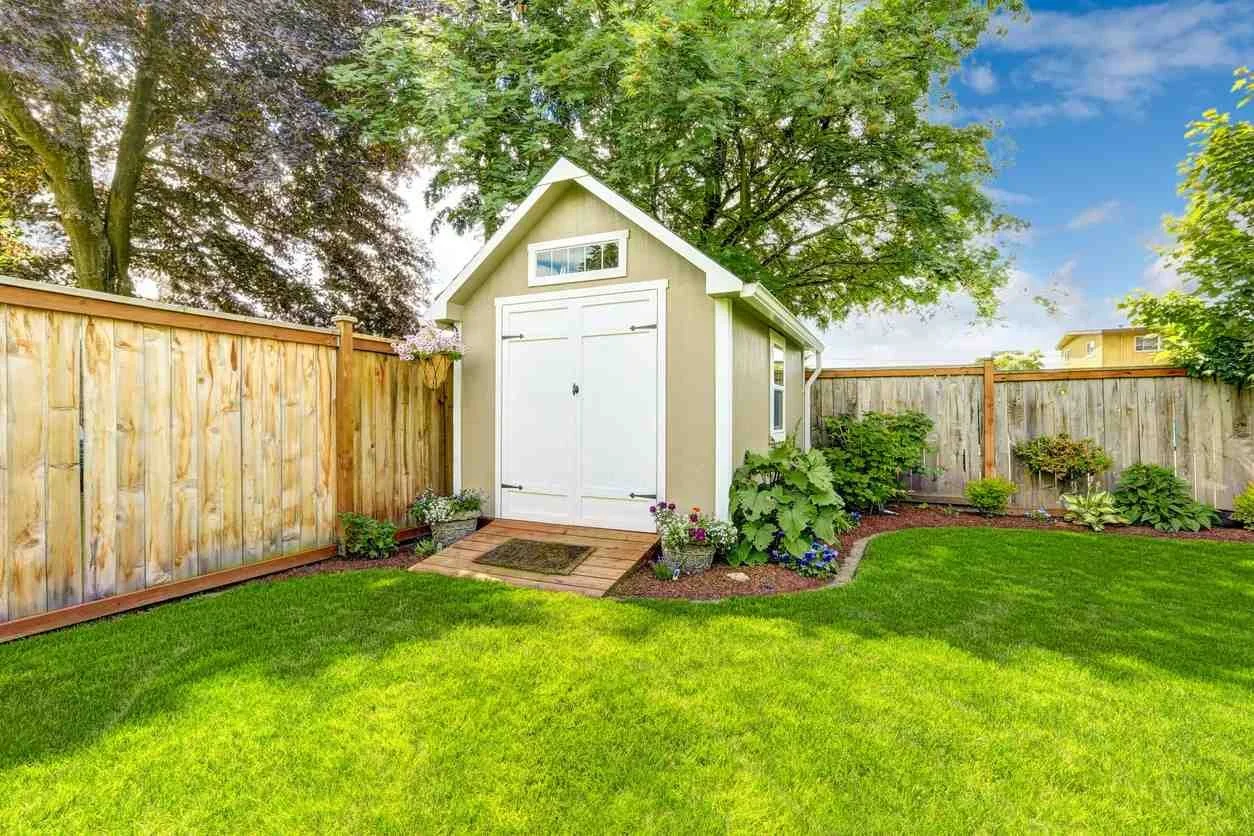
The best part is that a well-designed backyard studio does not have to feel like a basic utility shed with a desk shoved into the corner. With the right layout, better window placement, and a taller, more open roofline, a compact footprint can feel calm, bright, and surprisingly expansive. That is where thoughtful design makes all the difference.
Why a backyard studio shed works so well for creative life
There is a reason so many people start with a search for a backyard studio shed and end up talking about lifestyle instead of storage. A true studio changes rhythm. It separates home life from creative life without the commute, the parking, or the monthly rent.
A backyard studio gives you a quiet space that still keeps you close to home. For a painter, that means leaving canvases out overnight without clearing the dining room. For someone recording music, it means getting away from the television in the next room. For a yoga or meditation practice, it means walking into a space that already feels mentally distinct from the house. That small transition across the back yard acts like a reset button.
It also gives you more control over how the room functions. A spare bedroom usually has compromises built into it: wrong wall lengths, poor light, low ceilings, awkward closet placement, or too much household traffic. A studio shed can be planned around the way you actually work. If you need one long wall for shelving, a centered door, and windows placed high enough to preserve privacy while bringing in natural light, those plans can be built into the project from the start.
For many homeowners, the same structure can also pull double duty. A studio can serve as an art studio during the week and a home office studio when needed. It can support a small business, freelance work, music lessons, or a flexible backyard office for days when the house is simply too noisy to think clearly.
Designing a backyard studio instead of a standard shed
The difference between a regular shed and a real backyard studio is not just the paint colour or the flooring. It is the intent behind the design.
A standard storage shed is built to hold tools, bins, and seasonal equipment. A studio shed is built around human comfort, focus, and daily use. That means the layout has to support movement, furniture placement, wall storage, and the way the room will feel over long stretches of time. If you spend three hours painting, editing photos, or practicing guitar, every inch starts to matter.
One of the first questions is footprint. A smaller studio can still be the perfect fit if the layout is disciplined. A compact structure with clean lines, smart built-in storage, and well-placed doors and windows may feel better than a larger room with wasted corners. On the other hand, if you need easel clearance, room for a worktable, or enough space for yoga mats and props, going up a size can be the perfect solution.
This is where it helps to explore studio-specific shed options instead of trying to force a storage model into a creative role. A purpose-built studio has a different logic. It is not just about square footage. It is about proportion, light, wall space, and how easily the room supports your process from day one.
A modern shed aesthetic is also a natural fit for this kind of project. Simple forms, clean lines, restrained trim, and a balanced window pattern create a stylish structure that feels intentional in the backyard. It looks less like an afterthought and more like a small piece of architecture on your property.
Layout ideas that make a studio feel bigger than it is
Good studio design is often about protecting open floor area. The more visually clear the centre of the room feels, the more breathable the whole studio becomes.
That starts with door placement. Double doors can be useful if you move larger canvases, equipment, or furniture, but a single entry in the right location can preserve more uninterrupted wall space. If your work depends on storage systems, that wall space is valuable real estate. Long walls are ideal for shelving, peg rails, flat-file storage, instruments, or a desk setup for a home office.
Think in zones. One end of the studio might be for focused work, with a desk, easel, or bench. Another might be for storage, supply organization, or seating. Even a modest backyard studio can create the feeling of separate rooms if the layout is planned well. That is especially useful in a home office studio where one side handles computer work and the other side supports sketching, crafting, or client calls.
Ceiling height matters more than many people expect. A vaulted roof can completely change the emotional temperature of a small building. Instead of feeling like you are stepping into a box, you walk into volume. The eye goes upward. The room breathes. For a studio, that airy quality is not cosmetic. It can shape concentration, mood, and the willingness to spend time there through every season.
If you are comparing layouts, The Studio 360 is the kind of concept that helps homeowners imagine how a compact backyard studio can still feel open and polished. When the roofline, windows, and proportions all work together, the result feels more like a retreat than an outbuilding.
Why window placement matters more than window size
People often assume more glass automatically means a better studio. That is not always true. The real question is where the windows go and what kind of light they bring into the room.
For painting, drawing, textile work, and photography review, natural light is one of the most important design features in a backyard studio shed. In Ontario, northern light is often prized because it is softer and more consistent. It tends to avoid the harsh glare and dramatic swings that direct southern or western exposure can create. If colour accuracy matters to your work, that stability can make a real difference.
That does not mean every studio needs a wall of glass facing north. It means window placement should support the actual use of the room. High windows can protect privacy from neighbours while still bringing in daylight. Transom windows can add brightness without giving up wall space for shelving or artwork. Larger fixed windows may frame the garden and create a sense of calm, while operable windows improve airflow during warmer months.
A musician may want fewer low windows to reduce distraction and increase usable wall area. A ceramic artist may want light near a work surface but not direct sun on clay or glazes. A yoga studio may benefit from windows placed to catch morning light while maintaining a cocoon-like feeling. Every studio has its own logic.
The smartest approach is to decide where your desk, easel, bench, or mat will live first. Then place the windows around that activity. When the light works with the furniture instead of fighting it, the whole space feels calmer and more usable.
Climate stability is not optional in Ontario
A creative studio is only as good as its ability to protect what you keep inside it.
In the Greater Toronto Area and across Southern Ontario, the weather does not play gently. Summer humidity can swell wood, affect paper, and create problems for electronics or musical instruments. Winter cold can make a studio uncomfortable, but the bigger issue is fluctuation. Repeated shifts in temperature and moisture are hard on paint, canvas, adhesives, fabrics, records, cameras, and tech gear.
That is why a professionally framed wooden structure matters. A properly built shed is not just about appearances. It is about a stable shell: solid floor system, dependable walls, quality roof assembly, and materials chosen for long-term performance. When a studio is built with care, it gives you a much better starting point for managing insulation, ventilation, and interior comfort.
This is also where bargain prefabs often disappoint. They may look stylish in photos, but if the structure is lightly constructed or poorly assembled, the studio can become a seasonal compromise instead of a reliable workspace. Creative materials need consistency. Your instruments, paints, papers, and devices should not spend the year surviving the room.
For homeowners planning a studio, it is worth thinking beyond the shell from the beginning. Will you need electrical service for lighting, chargers, a heater, or a computer setup? Will the windows open for cross-ventilation? Will the roof and walls support the level of finish you want inside? Those details affect whether the building becomes a true home office, art studio, or music room you can use for many years.
Choosing the right structure for year-round use
A studio should feel inviting in April, useful in August, and dependable in January. That means the structure itself needs to be built for real conditions, not just fair-weather weekends.
A wooden shed with proper framing gives you flexibility. It can be constructed on a wood floor system or built on a customer-supplied concrete pad, depending on the site and goals. Strong floor framing helps the building stay level and solid under daily use. Well-built walls and roof components support durability and help prepare the studio for interior finishing choices.
The roof design matters for more than curb appeal. A taller roof can improve the interior feel, but it also affects ventilation potential, snow shedding, and the overall proportions of the building. In a studio, the roof is part of the experience. It shapes ceiling height, acoustics, and the sense of openness when you walk through the doors.
Doors matter too. Wider doors can make delivery and access easier if you are moving furniture, rolling in equipment, or bringing in large canvases. Placement also affects how the room is furnished. A studio with the wrong door swing can waste a surprising amount of usable space.
The same goes for materials. If your goal is a stylish backyard studio that feels polished from the outside and dependable from the inside, the shell should be treated like a real construction project, not a temporary weekend kit. That is one reason many homeowners decide to work with an experienced company rather than trying to assemble a complex studio alone.
Backyard studio, backyard office, or both?
A lot of homeowners begin with one idea and discover they need something more flexible. The artist wants a painting room, but also a desk for admin. The retiree wants a craft studio, but also a reading nook. The consultant wants a backyard office, but also a place for evening music practice.
That overlap is where a backyard studio really shines. It can be a home office during the day and a creative studio after hours. It can function as a backyard office for focused calls and computer work, then shift into a home office studio where sketchbooks, sewing machines, or instruments come out at night. A well-planned office shed does not have to feel corporate. It can still feel warm, personal, and deeply creative.
This flexibility is especially useful for households where working from home is now permanent. A detached office shed creates separation without isolation. You can step away from the house, get through a full workday in a dedicated office, and still be back inside in minutes. If that use case is part of your vision, this guide to a backyard workspace outside the home offers another helpful angle on planning.
In practical terms, the best dual-purpose studio usually includes enough wall space for storage, windows placed for balanced light, and a layout that lets office furniture coexist with creative equipment. A desk under one window, shelving on one wall, open floor area in the middle, and a bench or daybed at the far end can create a perfect space that feels adaptable instead of crowded.
What to think about before you build
Before you purchase a studio shed, it helps to think through the full process. Start with how you want to use the building on an ordinary Tuesday, not just in the abstract. Imagine the chair, the desk, the easel, the lamp, the amplifier, the yoga mat. Imagine where the cords go, where supplies live, and how you enter the space carrying coffee in one hand and materials in the other.
Then look at the property. The best location balances privacy, access, and sightlines. A studio tucked too far into a dark corner may feel forgotten. One placed too close to the house may lose some of its retreat-like quality. The right location often feels like a short walk with a clear purpose. You want the studio to be easy to reach in winter, easy to install, and pleasant to approach year-round.
You should also think about permit requirements early. Rules can vary depending on size, placement, and intended use. The safest move is to review local requirements before finalizing plans. If you are still sorting out dimensions, this article on Ontario shed permit size questions can help frame the conversation.
Finally, decide what level of finish you want from the start. Some homeowners want a clean, simple shell they can complete over a few weeks. Others want a more complete project with a clearer path to finishing. Either way, clarity at the beginning makes the process smoother and helps the team build toward your actual vision.
Building a studio that feels like it belongs in your backyard
The best backyard studio shed does not feel dropped onto the property. It feels like it belongs there.
That comes from matching the style of the structure to the house and yard without making it a copy. A modern shed can echo the home through colour, roof pitch, trim, or siding profile while still having its own identity. The goal is not to disguise the studio. It is to make it feel intentional.
A stylish studio also respects the way people move through the backyard. Doors should open toward useful paths. Windows should frame greenery, not just fences. The building should sit comfortably within the landscape, whether the yard is compact and urban or more open and suburban. When those choices are made well, the studio becomes a feature of the property, not just an extra structure.
This is where an experienced installation team adds real value. Delivery, assembly, and on-site construction all influence the final result. A good team understands that a studio is not just a shed to install quickly. It is a space you plan to inhabit. Precision matters. The details matter. The finished building should support a great experience not just on day one, but over many years of use.
A custom studio can turn an idea into a daily habit
Most people do not need more inspiration. They need a place where inspiration can land.
A backyard studio gives shape to that idea. It can become the room where your painting supplies stay ready, where your guitar remains on its stand, where your yoga practice stops being something you mean to do and becomes part of the week. It can be a home office, a home office studio, an art studio, or a hybrid space that changes with your life.
When it is built well, with the right roof, walls, windows, doors, and layout, even a modest footprint can feel like the perfect spot. Bright but calm. Private but connected. Functional without losing charm. That is what turns a simple backyard building into a place you genuinely want to spend time in.
If you are ready to create a backyard studio that suits your work, your property, and Ontario’s changing seasons, request a custom studio design consultation with The Shed Company. Their team can help you shape the right studio shed for your vision and build a creative retreat that feels at home in your backyard.