
Electricity To Your Shed (How To Do It and Do You Need a Permit?)
Backyard sheds have evolved from simple storage spaces into versatile areas for hobbies, workshops, and even home offices. These modern uses often require reliable electricity for lighting, power tools, and climate control, like air conditioning. Running electricity to your shed enhances its functionality but also involves important safety and legal considerations.
Know when and why you need a permit to meet local building codes and protect your property during installation.
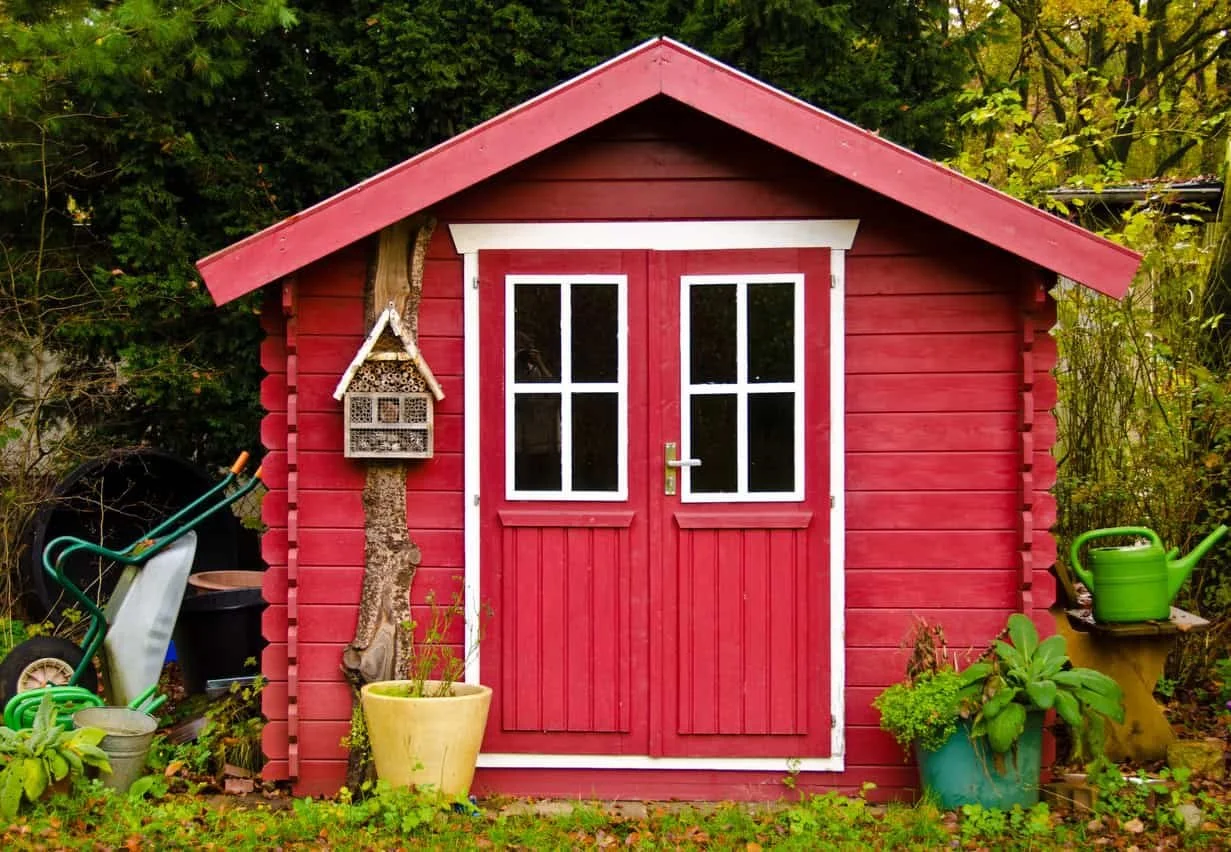
Do I Need a Permit to Run Electricity to My Shed?
In almost every case, yes, you'll need a permit to run electricity to a shed. Most local codes and local authorities require a permit for any permanent electrical wiring to an outbuilding, such as a shed. Permits ensure that the work performed abides by the National Electrical Code (NEC). These rules protect you and your property from safety risks. They also help guarantee that the shed's electrical system is properly installed and grounded to prevent electrical hazards.
Why Are Permits Required?
Ensure Safety. Permits require that your shed's electrical system be inspected and approved, reducing safety risk from fire, shock, or code violations.
Meet Legal Requirements. Local building departments enforce local regulations and use the permitting process to track and verify safe electrical work.
Protect Your Investment. Unpermitted installations can cause insurance issues, lower resale value, or require costly rework if discovered during a home inspection.
What Factors Affect Permit Requirements?
Type of Work. Installing underground feeder cable (UF cable), direct burial cable, conduit (like PVC conduit or rigid metal conduit), or a new electrical circuit typically requires a permit. The direct bury method involves installing cables, such as UF-rated cables, directly in the ground without conduit. This method works for underground installation, but follow code requirements for burial depth and protect the cable from potential damage.
Scope. Whether you’re installing simple lights and outlets or enough power for heavy-duty tools and air conditioning, most permanent work will need official approval.
Power Source Location. If your shed is far from the main house or main panel, longer line runs may be subject to additional inspection for voltage drop and safety.
Tip: Always call your local building department first—they’ll provide guidance on the required permits, cost, and inspection schedule.
How to Run Electricity to A Shed?
Adding power to your shed takes careful planning and strict attention to safety standards and code requirements. As part of your planning process, consider integrating security systems or electrical safeguards to protect your shed and its contents.
Here’s how to do it right:
Step 1: Plan Your Shed’s Electrical System
List Your Needs. Decide whether you’ll need basic lights, outlets for power tools, or capacity for things like air conditioning. Plan for the type and placement of switch(es) to control lighting and outlets in the shed.
Calculate Load. Make a list of all the devices you’ll use at once to determine the necessary circuit and wire size.
Distance From House. Measure the foot distance from your main panel to the shed, as voltage drop and wire type may be affected by long runs.
Determine Power Source. Decide if you’ll run power from the main house, install a subpanel, or consider several options (including solar).
Step 2: Select Your Wiring Method and Materials
There are a few ways to supply power, depending on local codes and shed distance from the power source:
Underground Feeder Cable (UF Cable) or Direct Burial Cable. Safest and most common for sheds. These can be directly buried or placed in a conduit.
Trench Required. Typically 18-24 inches deep (verify with local building codes).
Conduit Methods. Both PVC conduit and rigid metal conduit can protect conductors from physical damage. Always fit cables, conduit, and connectors properly in electrical boxes and enclosures to achieve a safe and secure installation.
Overhead Runs. Sometimes permitted for short distances using weather-rated line, but less common and often less secure.
Solar. Useful in remote locations, but any permanent electrical work will still require code compliance.
Note: Be aware of voltage drop for long distances—a larger cable may be needed to maintain proper voltage at the shed.
Step 3: Get a Permit and Schedule Inspections
Contact Local Authorities. Speak with your local building department to apply for the necessary permits for any electrical project.
Follow the Permit Process. Submit your plans—often a simple diagram showing the location, connection points, and the proposed electrical installation.
Inspections. You’ll need an inspection before covering up any trench or conduit, plus a final sign-off after the system is complete.
Step 4: Safely Install the Electrical System (Overview)
Warning: If you’re not confident with the NEC or electrical codes, consult a licensed electrician. Some areas require a pro.
Preparation:
Map your trench path clear of trees, roots, or buried utilities.
Gather materials: conduit, pipe, direct burial cable, waterproof electrical boxes, outdoor-rated switches, proper circuit breakers, junction boxes, and required fittings/connectors.
Make sure you have the right tools for digging, pulling wire, and securing fixtures.
1. Dig the Trench
Dig a trench for direct burial cable or conduit if your local codes require it. Creating the trench involves more than just making a hole; carefully align it and maintain the correct burial depth according to guidelines.
Depth is usually a minimum of 18 inches for direct burial, but deeper for rigid metal conduit or by local requirement.
2. Pull and Secure Wires
Pull the underground feeder cable or install conductors inside PVC conduit/rigid metal conduit as required. As you install, carefully push the conductors into the conduit or electrical boxes to keep the wiring secure and organized.
Use connectors to enter and exit the shed’s wall and the main house wall, keeping the system weatherproof.
3. Install Electrical Boxes and Outlets
Attach electrical boxes to the shed walls for outlets and switches.
Install GFCI (Ground Fault Circuit Interrupter) outlets at all receptacle locations to protect people from electrical shock, especially in damp areas.
4. Set Up the Circuit and Connections
Install a breaker in the main panel dedicated to the shed’s circuit.
Use a junction box at the connection point if needed.
Properly ground both the house and the shed’s system.
5. Secure and Protect All Installations
Seal any holes in the shed/house walls from cables or conduit entry.
Attach outdoor-rated covers to outlets and switches.
Step 5: Inspection and Final Approval
Schedule an inspection of open trenches and visible wiring before covering any part of the installation. After passing the inspection, fill the trench and complete the mounting of all devices and fixtures. Conduct a thorough inspection to verify full compliance with the code and obtain final approval.
Power Up Your Shed: Contact The Shed Company Today!
With careful planning, attention to local codes and safety standards, and the right materials, like conduit, GFCI outlets, and direct burial cable, you can convert your shed into a convenient and safe utility space. Always start with the permit process and consult local authorities or a professional for any uncertainties. Done right, you’ll enjoy reliable and safe power in your shed for whatever the future holds.
If you're considering running electricity to your shed or want to transform your backyard space into a fully functional workshop, home office, or retreat, The Shed Company is here to help. Our knowledgeable team offers expert guidance on safe and code-compliant electrical installations.
Protect your safety and investment—let The Shed Company guide you through the permitting process, connect you with trusted contractors, and complete your shed project with top-quality standards. Call us today and unlock your shed’s full potential!