
Moving a Shed: Can You Do It? (And How To Get It Done)
If you own a shed, whether it’s used for storage, as a workshop, or even as a creative getaway, circumstances may arise when you need to move it. Maybe you’re redesigning your yard, relocating to a new home across town, or simply want a more practical site for your building.
Can a regular homeowner take on the challenge of moving a shed? What equipment and tools will you need? How do you keep your structure safe from excess weight or damage in the process?
Before you begin, it's important to figure out the best approach for moving your shed, which includes what needs to be stored and how to proceed with placement strategies.
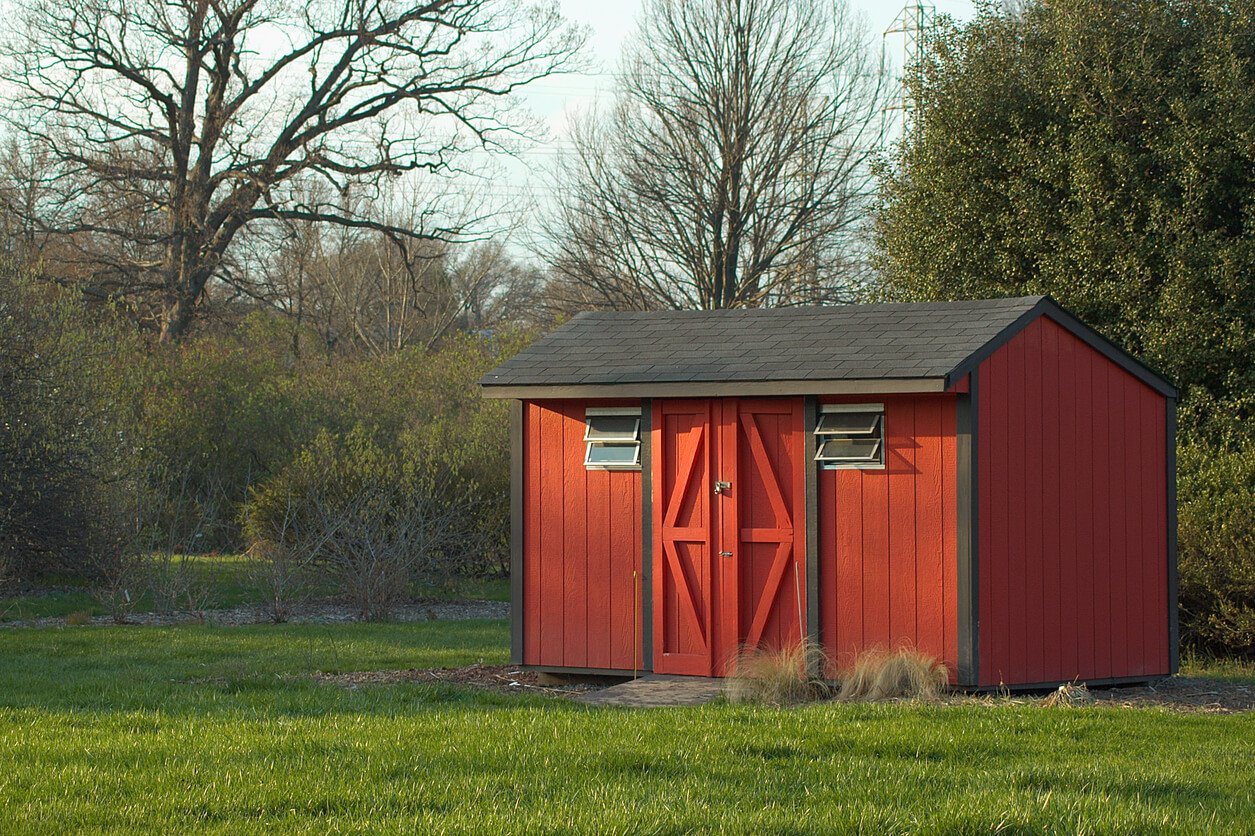
Can You Move a Shed?
Moving a shed may seem intimidating, but with proper planning, it’s completely achievable. Whether you have a portable shed or a large, established structure, assessing its size, weight, and condition is essential to determine the best moving method. By carefully preparing your equipment and route, you can relocate your shed safely and efficiently to its new location.
Are Sheds Portable?
The answer is it depends on your shed's size, style, and foundation. Portable sheds are typically built with mobility in mind, often resting on runners or raised off the ground with lumber to allow easier relocation. Large, permanent structures placed directly on concrete pads or deeply anchored to the site can be much harder to move safely.
Key Factors in Shed Portability
Before you start moving your shed, it’s important to understand what makes a shed easier or more challenging to relocate. Several factors influence shed portability, from its construction materials to the foundation it rests upon. By grasping these key elements, you can better plan your move and choose the most effective method to transport your shed safely and efficiently.
Style and Materials. A large shed built from heavy walls, thick plywood sheets, and robust framing is heavier and less portable than smaller, modular buildings constructed from lighter material.
Foundation. If your structure sits on skids, blocks, or a purpose-built raised wooden base, it’s easier to lift and move. Sheds directly attached to concrete will likely require significant effort or even a tear-down.
Existing Utilities. Check for electricity or plumbing connections. These must be disconnected safely before any move.
Condition. Sheds showing signs of sagging, rot, or loose nails and screws may not survive being shifted and should be carefully inspected before proceeding.
How to Move Your Shed
Step 1: Assess Your Shed and Yard
Start by carefully examining your shed’s size, structure, and location. Ask yourself:
What excess weight needs to be removed before transport? (Clear out heavy objects, shelving, and any items on the floor.)
How will you access the shed for the move? Is there a clear path between the current site and the new location?
Does the shed need to move to a new yard or just another spot on your property?
Are there obstacles like fences, trees, tight door openings, or utility lines in the way?
Will you be able to drive a truck or a trailer to the shed’s current and future sites?
Step 2: Prepare for Relocation
Preparation is crucial for a successful shed move and for protecting both your investment and your safety.
Preparation Checklist:
Empty the Shed. Remove all contents to eliminate excess weight.
Secure the Structure. Reinforce major seams, corners, and walls. Drive in loose nails and tighten screws to prevent shifting during the move.
Disconnect Utilities. If your shed has electricity or plumbing, shut off and disconnect all services.
Protect Doors and Windows. Use plywood to shield door openings and glass panels from cracking.
Gather Equipment. Common tools include crowbars, a jack, heavy-duty straps, pipes or PVC pipe for rolling, blocks, dollies or a trailer, boards for creating a makeshift platform or conveyor system, and protective gear.
Prepare New Site. Make sure the new location is level, accessible, and ready—plywood sheets or lumber can be placed as a raised foundation.
Assess Foundation Needs. Will you need to build a new platform, lay new concrete, or set new blocks?
Step 3: Lifting and Moving Your Shed
Lift and transport your building based on its weight, foundation, and travel distance. Before moving the shed, lift it properly using jacks or other lifting equipment to avoid damage and keep everyone safe.
For better access and stabilization, consider digging access holes in the middle of opposite sides of the shed. This allows you to position lifting equipment securely and evenly distribute the weight.
Step 4: Setting Up the Shed at the New Location
Once you move your shed to the new location, start by clearing the area and making the ground level and stable. Build a sturdy foundation using blocks and lumber to keep the shed secure and balanced. Carefully remove all moving equipment like jacks and rollers, then check the shed for any damage from the move.
If you find any issues, address them promptly to maintain the shed’s durability. Finally, firmly anchor the shed to its foundation with nails and screws to prevent any shifting over time.
Safety Tips for Moving a Shed
Moving a building is not risk-free. Prioritize safety:
Always use the right equipment and tools for the job.
Enlist enough buddies or a strong friend to distribute the weight and prevent injuries.
Keep hands and feet away from pinch points when you jack, roll, or lift the building.
Prepare for weather—slippery ground is a major hazard.
Wear gloves, steel-toe boots, and eye protection throughout the process.
Inspect all plumbing, electricity, or HVAC utilities before and after the move.
Secure moving parts with strong fasteners and never rush—move slowly and methodically.
Professional Moving Services
For extremely large sheds, those with fragile elements, or moves requiring significant distance, hiring a professional shed moving company is wise. Professionals have access to specialized equipment, including hydraulic lifts, cranes, and large trailers, making quick work of even the largest, heaviest structures.
When to Hire a Pro:
Your building is too large or heavy to manage safely.
The path includes navigating around complex property obstacles, such as other buildings or concrete pads.
You need to cross public roads or travel a significant distance.
Your shed cannot be safely moved as a whole and needs to be disassembled, relocated, and reassembled at the new site.
Ready to Move or Upgrade Your Shed? Contact The Shed Company Today!
Carefully evaluate your shed's structure, foundation, and property layout to determine if moving it is feasible. With the proper tools, enough helpers, and a cautious approach, you can safely relocate many portable sheds within your yard or to a new home. For larger, taller, or more complicated moves, especially over longer distances, hiring experienced professionals with the right equipment is often the best choice.
At The Shed Company, we specialize in providing quality sheds tailored to your needs. Whether you're looking for a durable storage solution, a workshop, or a cozy backyard retreat, we focus on delivering exceptional craftsmanship and reliable products to enhance your outdoor space.
Contact us today for a consultation and let us help you protect your investment and make the most of your outdoor space!