
Shed Insulation: What To Use and How To Do It
Transforming your shed into a comfortable extension of your home starts with effective shed insulation. A shed is a type of building, and like any building, it benefits from proper construction and insulation.
Proper insulation actively aids in controlling temperature, protects gardening equipment from moisture, and allows you to spend time in your sheds year-round. Insulating a shed is similar to insulating a house, but may require different materials or methods.
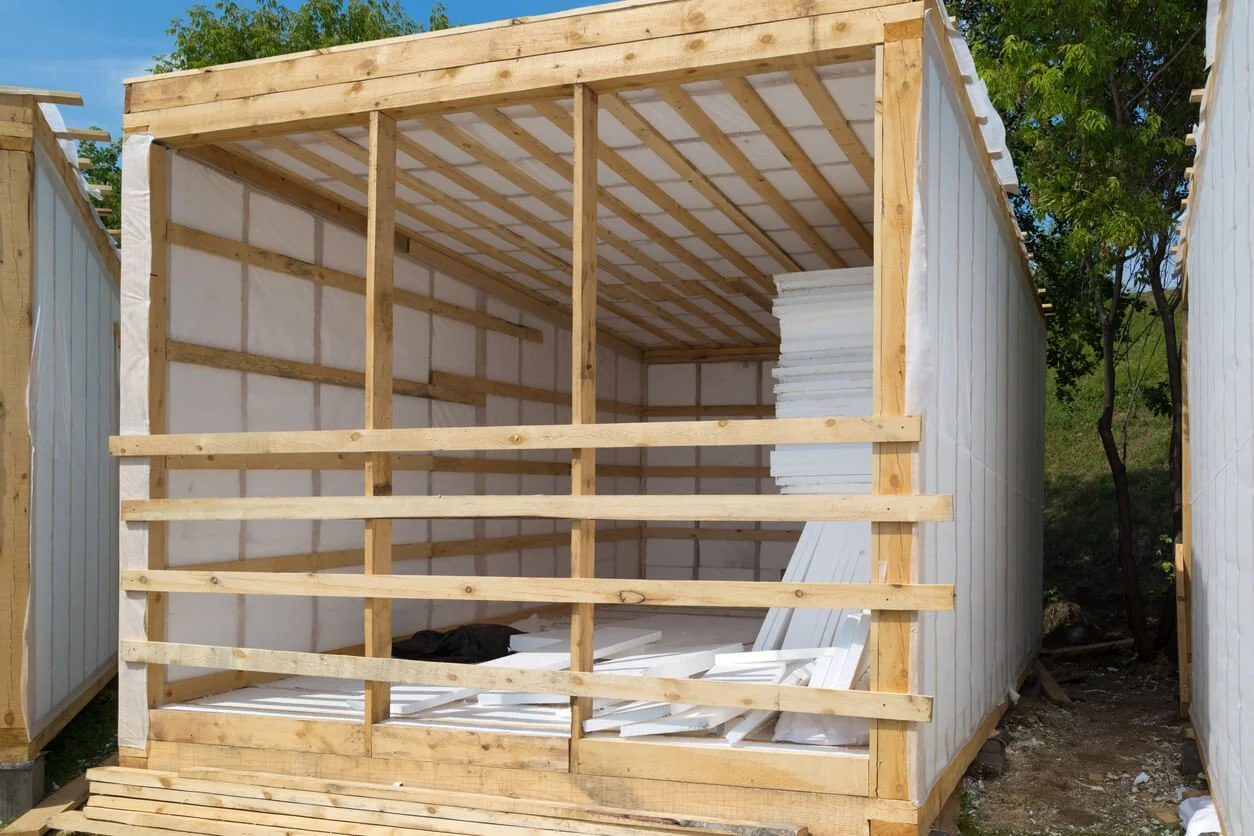
What Is Shed Insulation?
Shed insulation is essential for anyone looking to maintain a comfortable temperature inside their shed, no matter the season. Whether you use your shed for storing gardening equipment, protecting tools, or as a workspace, proper insulation shields your belongings from extreme temperatures. By insulating your shed, you not only protect your equipment but also create a more inviting space to spend time in.
Why Insulate Your Shed?
Insulating a shed makes a significant difference:
Temperature Control. Insulation helps maintain a comfortable temperature, whether it’s hot in summer or cold in winter. This means you can use your shed year-round without worrying about extreme heat or cold.
Moisture Prevention. It minimizes condensation to keep your walls, ceiling, and floor dry and your stored tools rust-free. By controlling moisture, insulation also helps prevent mold and mildew growth inside the shed.
Extended Use. Enjoy your insulated shed for a variety of purposes beyond just storage. Whether you want a workspace, a hobby room, or a relaxation area, insulation makes the shed more versatile and comfortable.
Peace of Mind. Proper insulation removes the worry about temperature fluctuations and weather conditions affecting the shed's contents. This protects your belongings and maintains your shed's durability over time.
Types of Shed Insulation Materials
Identify insulation materials based on the needs of your shed:
Fiberglass Insulation
Fiberglass batt insulation fits snugly between wall studs and joists, which makes it easy to install in sheds with typical stud spacing of 16 or 24 inches. It is affordable and widely available, which makes it a good option for cheap shed insulation. The negatives are that it's sometimes itchy to the skin and requires a vapor barrier upon installation to prevent moisture problems.
Foam Insulation
It offers a high insulating value with options like foam board and spray foam, which is ideal for those seeking the best insulation for an outdoor shed. Spray foam insulation expands to fill gaps to create an airtight seal that improves thermal efficiency and reduces drafts. While foam insulation offers excellent performance, it typically costs more and may require professional installation.
Mineral Wool
Mineral wool is durable, fire-resistant, and moisture-resistant, which makes it a reliable choice for shed insulation. It also acts as an effective sound barrier while maintaining consistent temperature control. This material is ideal for sheds where both thermal and acoustic insulation are priorities.
Reflective Foil Insulation
This type of insulation keeps the interior of the shed cooler during warm weather. It performs best in hot climates or sheds exposed to direct sunlight. Typically, homeowners apply this type of insulation in conjunction with others to achieve the best temperature control overall.
What to Consider Before Insulating Your Shed
Before installing shed insulation, consider:
Climate. Extreme temperatures require different insulation types to maintain efficiency. For example, colder climates may need higher R-value insulation to keep the shed warm, while hot climates benefit from reflective or foam insulation to reduce heat gain.
Usage. Decide whether you’re focusing on tool storage or creating a workspace. This influences insulation decisions, including areas like shed floor insulation.
Budget. Balance cost-effectiveness with quality by selecting suitable materials. While some insulation options like spray foam offer superior performance, more affordable choices like fiberglass batt can still provide adequate temperature control.
Tools and Equipment Needed
Gather the necessary tools and equipment in advance for a smooth and safe shed insulation process:
Wear protective equipment to protect yourself from insulation fibers and debris.
Use a utility knife to cut foam board or fiberglass batt insulation to fit snugly between wall studs and joists.
Have a staple gun ready to secure insulation and vapor barriers in place.
Prepare spray foam insulation to seal small gaps and cracks effectively.
Use foam board insulation for rigid coverage on walls and ceilings.
Choose fiberglass batt insulation to isolate larger areas efficiently.
Include a vapor barrier, such as a plastic sheet, to prevent moisture from damaging the insulation.
How to Insulate Your Shed
Step 1: Measure Your Shed
The first thing you want to do is take your shed measurements, including the walls, ceiling, and flooring, if you're going to insulate all around. This will not only give you an idea of your material needs, but also how much you need to fit between studs and joists.
Step 2: Prepare the Shed
Clear out all items from your shed and clean the interior surfaces thoroughly. Check for any cracks, holes, or gaps around windows, doors, and vents, and seal them with caulk to prevent drafts and moisture intrusion.
Step 3: Choose Your Insulation Material
Select the type of insulation that best suits your climate, budget, and shed usage. Options include fiberglass batt insulation for affordability, foam board insulation for high R-value, or spray foam insulation for an airtight seal.
Step 4: Install Insulation in Walls and Ceiling
Cut insulation to fit snugly between wall studs and ceiling joists using a utility knife. For fiberglass batts, staple the vapor barrier facing to the studs, and for foam boards, secure them tightly to avoid gaps.
Step 5: Seal Gaps and Cracks
Use expanding spray foam or caulk to fill any small cracks around windows, doors, and corners. This step improves energy efficiency by preventing air leaks and moisture entry.
Step 6: Add a Vapor Barrier
The warm side of the insulation should feature a vapor barrier. This can be plastic sheeting or the facing that's attached to one side of fiberglass insulation and should be stapled to the studs with tape over the seams.
Step 7: Finish With Wall Covering
Next, insulated walls and ceiling should be covered with plywood, drywall, or another material to allow for a finished look, as well as to protect the insulation. This also helps keep the insulation in place and guards against damage from pests or wear.
Step 8: Insulate Doors and Windows
If your shed has doors and windows, consider adding insulation or weatherstripping to these areas. You can attach foam board insulation to the inside of doors and use caulk or weatherstripping around window frames to prevent drafts.
Step 9: Insulate the Floor (Optional)
For added comfort, especially in colder climates, insulate the floor by laying rigid foam insulation boards beneath a plywood subfloor or vinyl flooring. This helps keep your feet warm and reduces heat loss through the ground.
Protect Your Belongings With Proper Insulation: Contact The Shed Company!
Insulating your shed is key to creating a space that’s warm in cold weather and cool during hot periods to safeguard your gardening equipment and other stored items. Choosing fiberglass or spray foam and knowing the right materials and installation methods will help you avoid costly mistakes.
When you're ready to make your shed an accessible situation all year long, reach out to The Shed Company today for materials and installation recommendations. We can provide everything you need to ensure that the insulation properly makes your shed a usable extension of your home. Our friendly and professional staff will help you every step of the way to ensure maximum efficiency.
Trust us to help you maintain temperature control, prevent moisture issues, and make the most of your shed. Contact us today to get started!